
- 4E, No.3 Shenfeng Road, Liuyao Community, Henggang Street, Longgang District, Shenzhen,China
- cc.shen@xypltd.com
- Call: +86 15112667855
News
Embedded Circuit Board Thermal Management Solution
- 2026-09-29
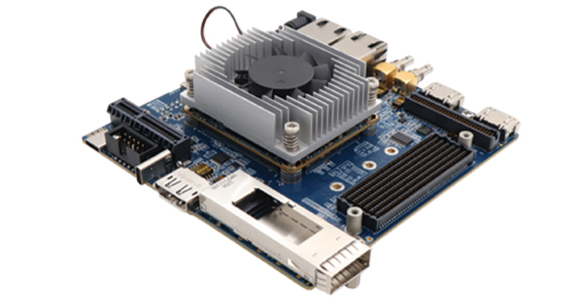
The increase in edge processing, performance improvement, and miniaturization of embedded platforms have led to increased power consumption and heat generation, resulting in hotspots. Thermal stress can significantly reduce the performance of embedded systems and even cause the entire system to crash. Long term exposure to overheated environments can also shorten the lifespan of electronic components.
Understanding thermal management techniques is crucial for keeping equipment in optimal working condition. The development of the electronics industry has prompted the need for innovative thermal management technologies to improve system reliability and performance. According to Market Research Future's survey, the global thermal management market is expected to reach $20.3 billion by 2030, with a compound annual growth rate of 8% from 2022 to 2030.
Not only FPGA, but also various electronic products generate heat during operation, so heat dissipation accessories are crucial. Appropriate thermal management is essential for maintaining the performance, reliability, and long-term lifespan of these devices. The following is a conclusion about why heat dissipation accessories are so important for a series of products:
1. Microprocessors and CPUs:
Heat generation: CPUs (especially in high-performance computers and server applications) generate a large amount of heat due to intensive computing tasks.
Cooling accessories: Radiators, cooling pastes, and cooling fans are crucial for heat dissipation, preventing thermal throttling, and ensuring stable performance.
2. Graphics Processing Unit (GPU):
High power consumption: GPUs (especially in gaming, artificial intelligence, and data processing applications) consume a large amount of electricity and generate significant heat.
Thermal management: In order to maintain optimal temperature, prevent overheating, and maintain high performance, large cooling solutions such as radiators and fans are required, and sometimes liquid cooling solutions are also needed.
3. Power Supply Unit (PSU):
Heat dissipation: The power supply needs to convert alternating current to direct current, which involves a large amount of energy loss and therefore generates heat.
Cooling solutions: Active cooling using fans and passive cooling using radiators are crucial for maintaining power efficiency and long-term lifespan.
4. Memory modules (RAM, DRAM):
Stability of operation: High speed memory modules generate heat, which, if not controlled, may lead to data corruption or system instability.
Heat dissipation accessories: Use heat dissipation plates and cooling fans for heat dissipation, which can maintain data integrity and speed.
5. Network devices (routers, switches):
Continuous operation: Network devices often run around the clock, resulting in continuous heating.
Cooling requirements: Radiators and fans (sometimes requiring environmental cooling measures such as installing air conditioning in server rooms) are essential to ensure stable performance and prevent malfunctions.
6. Embedded systems:
The challenge of compact design: Embedded systems typically run in restricted environments with poor heat dissipation.
Thermal solution: Customized heat sinks, thermal pads, and dedicated chassis with cooling capabilities can be used to manage the heat generated in these compact systems, ensuring reliability in industrial and automotive applications.
7. Mobile devices (smartphones, tablets):
Heat dissipation limitation: Mobile devices have a compact structure and limited heat dissipation space, but their high-performance processors and batteries generate heat.
Innovative cooling technology: By using technologies such as thermal throttling, graphite heat sharing plates, and advanced materials, heat can be managed without increasing device size.
8. Battery and power reserve:
Safety and long-term lifespan: Batteries, especially those in electric vehicles and high-capacity storage systems, generate heat during the charging and discharging process.
Thermal management: Cooling systems (including liquid cooling, thermal management systems, and heat-resistant materials) are crucial for preventing overheating, which can lead to shortened battery life and even dangerous situations.
9. Telecommunications equipment:
Continuous heat load: Base stations, antennas, and other telecommunications equipment will continue to generate heat during operation.
Cooling essentials: Radiators, fans, and climate controlled cabinets are essential for maintaining equipment reliability and service availability.
10. High performance computing (HPC) systems:
Extreme heat output: HPC systems used for scientific research, artificial intelligence, and big data analysis involve dense computing clusters that generate large amounts of heat.
Advanced cooling systems: liquid cooling, immersion cooling, and precision air cooling systems are crucial for managing heat and ensuring uninterrupted high-speed operation.
Not only FPGA, but also various electronic products cannot do without heat dissipation accessories. These accessories play an important role in heat dissipation, preventing overheating, and ensuring reliable and efficient operation of equipment. If proper thermal management is not carried out, electronic products may experience performance degradation, instability, and even catastrophic failures. The choice of thermal solution depends on the specific requirements of the product, including power consumption, size, and working environment.
Common heat dissipation technologies in embedded solutions
As systems become smaller and more powerful, heat dissipation technology is more important than ever before. Designers can use various methods to dissipate heat from components and PCBs, with common mechanisms including:
Radiators and cooling fans - Radiators are large surface thermal conductive metal components that can act as passive heat exchangers, dissipating heat into the surrounding air through conduction. Installing a cooling fan on the radiator helps to dissipate heat faster and more effectively. This combination is one of the most common and effective cooling methods for embedded systems, especially in environments with limited airflow.